
The best vet uniforms are smooth, tightly woven polyester-stretch scrubs that release fur and survive daily hot washes. They should have stretch for kneeling and restraining animals, secure pockets for scissors, pens and treats, and dark or printed colours that hide stains. Most South African small-animal practices use scrubs for vets, vet nurses and vet assistants, often colour-coded by role.
- Scrubs carry bacteria. In a UK veterinary hospital study, 45 of 72 scrub samples grew bacteria, including Staphylococcus and E. coli, and 13 of those positives came from scrubs that had already been through a 30°C home wash.
- Change before you go home. Keep at least one spare set at work and one set per shift in rotation.
- koi vet scrubs at Scrubs Rx start at R590 for a Cureology by koi top and R690 for pants.
We put this buying guide together for South African vets, veterinary nurses, vet assistants and practice managers choosing uniforms for small-animal and mixed practice. Vet uniforms face things a human-hospital uniform rarely does: fur, claws, anal glands, a Labrador who wants a hug, and a lot of time spent on the floor. What follows covers what to look for, what a typical vet dress code looks like, and which koi Scrubs collections suit each role.
What do vets wear to work in South Africa?
Most vets in South African small-animal and mixed practices wear medical scrubs: a V-neck top and pants, often with a practice logo embroidered on the chest. Scrubs have replaced the traditional lab coat in most consulting rooms because they wash easily, tolerate daily laundering and are cheaper to replace. Surgical theatre adds sterile gowns, scrub caps and masks on top. Large-animal and farm vets usually switch to overalls and gumboots for field work.
What is a typical vet dress code?
A typical vet dress code is set by the individual practice rather than a blanket rule. Most codes require clean scrubs every shift, closed-toe non-slip shoes, hair tied back, short clean nails and minimal jewellery. Many practices also colour-code scrubs by role so clients can tell who’s who at a glance.
| Role | Typical uniform | What matters most |
|---|---|---|
| Veterinarian | Scrubs in a dark colour (navy, black, charcoal), practice logo, name embroidery | A professional look for consults, stretch for surgery and exams |
| Veterinary nurse | Scrubs in a role colour (for example teal or wine), name embroidery | Pockets for kit, durability for anaesthesia monitoring, restraint and clean-up |
| Vet assistant | Scrubs, often printed tops | Budget, washability, comfort for kennel work and heavy lifting |
| Receptionist | Scrub top or practice-branded shirt | A tidy, client-facing look |
| Theatre (all roles) | Scrubs plus sterile gown, cap and mask | Fitted scrubs that sit neatly under a gown |
Colour choices are examples. Each practice sets its own code. See what scrub colours mean for ideas.
What should you look for in vet scrubs?
Look for 6 things in vet scrubs: fabric that releases fur, stretch, durability to hot washing, useful pockets, stain-hiding colours and a fitted cut. Here’s why each one matters in a veterinary setting specifically.
1. Does the fabric release fur?
Fur-releasing fabric is the top priority for vet scrubs. Smooth, tightly woven polyester and polyester-spandex fabrics give hair less to grip, so it brushes or rolls off more easily. Loosely woven or fuzzy cotton blends hold on to hair. Cureology by koi, for example, uses a 100% polyester stretch twill, and koi Basics uses a 95% polyester, 5% spandex microfibre.
2. Will the scrubs stretch with you?
Vet scrubs need stretch because veterinary work involves kneeling on the floor, lifting dogs onto tables and restraining animals that don’t want to be restrained. Rigid poly-cotton pulls at the knees and back and splits at the seams. Look for spandex in the fabric, such as the 4-way stretch in koi Next Gen or the 360-degree stretch in Cureology by koi, plus side slits on tops.
3. Will the scrubs survive daily washing?
Vet scrubs are washed after every shift, so fade and shrink resistance matter more than they do for ordinary clothing. Choose fabrics labelled fade and shrink resistant, and follow your practice’s infection-control policy and the garment’s care label for wash temperature.
4. Are the pockets secure and useful?
Good vet scrubs have several pockets that hold bandage scissors, a pen torch, a thermometer, a pen and a handful of treats without spilling when you bend. Look for divided chest pockets, cargo pockets on pants and an ID badge loop. Avoid dangling lanyards, which a nervous cat can hook a claw into.
5. Will the colour hide stains?
Dark colours such as navy, black, charcoal and wine hide blood, mud and body fluids far better than pale blue or white. Printed tops are popular with vet assistants and nurses because they also hide marks, and they tend to relax nervous clients and their pets.
6. Is the fit neat enough for animal handling?
A fitted cut is safer around animals and equipment. Wide, flapping hems catch on kennel doors and paws. Jogger-style pants with cuffed ankles also keep fur and dirt from collecting at the hem and stop you tripping on long legs when you kneel.
Do vet scrubs carry bacteria home?
Yes, vet scrubs can carry bacteria home if staff wear them off site. A 2020 study at a UK small-animal referral hospital tested scrubs worn by clinical staff (Kokkinos et al., Journal of Small Animal Practice). Of 72 samples, 45 grew bacteria: 32 from scrubs before washing and 13 after a 30°C domestic wash. The bacteria included Staphylococcus species, Pseudomonas aeruginosa, β-haemolytic Streptococci and E. coli.
The same study found that about two-thirds of staff did not regularly change out of their work clothing before travelling home. Only 64.4% wore a fresh top every day, and 58.4% wore fresh trousers every day.
What this means in practice: own enough sets to wear a clean one every shift, change at work before you leave, and wash scrubs separately from household laundry.
Which koi Scrubs work best for vets and vet nurses?
The koi Scrubs collections that work best in veterinary practice are Cureology by koi for everyday value, koi Basics for no-iron convenience, and koi Next Gen for maximum stretch. All three use smooth polyester-based fabrics that suit fur-heavy environments.
| koi collection | Fabric | Why it suits vet work | Price at Scrubs Rx | Best for |
|---|---|---|---|---|
| Cureology by koi | 100% polyester stretch twill | 360-degree stretch, moisture-wicking, fade and shrink resistant, badge loop, side slits | Tops R590–R650, pants R690 | Vet nurses and assistants on a budget |
| koi Basics | 95% polyester / 5% spandex microfibre | Lightweight, moisture-wicking, no ironing, double-needle stitched seams | Tops R690, pants R790 | Busy practices that want low-maintenance scrubs |
| koi Next Gen | 73% polyester / 22% rayon / 5% spandex | 4-way stretch, 4 front pockets on some tops, moisture-wicking, fade and shrink resistant | Tops R790–R890, pants R990 | Vets doing surgery and long consult days |
| koi Smiley World and Artists’ Series prints | [VERIFY fabric from product page] | Fun prints that hide marks and put pets and owners at ease | Tops R650–R690 | Vet assistants and reception |
Prices from the Scrubs Rx women’s scrubs and men’s scrubs collections as of September 2026. Jogger styles are available in Cureology, Next Gen and Smiley World.
Our pick: vets and vet nurses should wear Cureology by koi or koi Next Gen joggers in a dark colour. Cureology gives you the most performance for the money. Next Gen is worth the extra if you spend hours in theatre or on the floor.
Vet-Friendly Faves
-
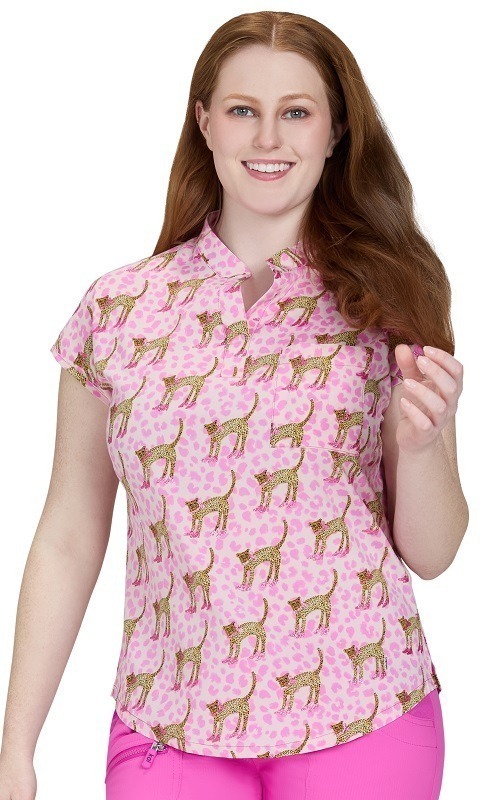
Ari koi Artists’ Series (Cheetah in Heels) Women’s Scrub Top
R690.00 -

Jolly Jogger koi Smiley World Women’s Scrub Pants
R790.00 -
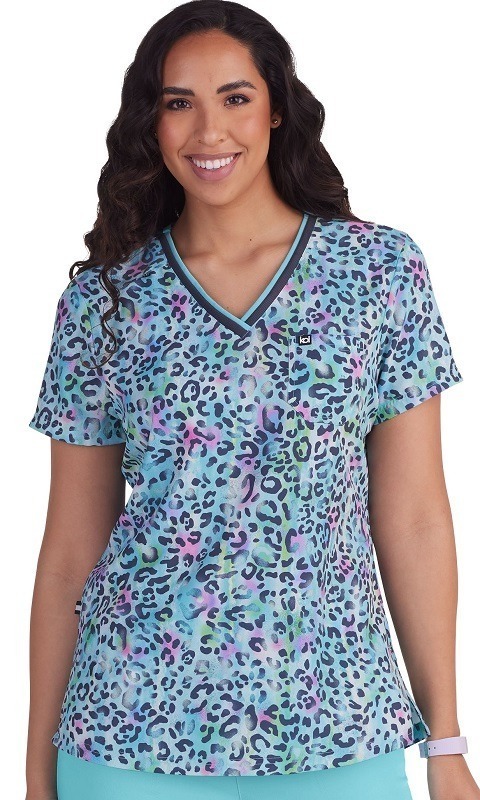
Coming On Strong koi Next Gen (Rainbow Leopard) Women’s Scrub Top
R690.00 -

Pulse Jogger Cureology by koi Women’s Scrub Pants
R690.00 -

Aura Cureology by koi Women’s Scrub Top
R550.00 -
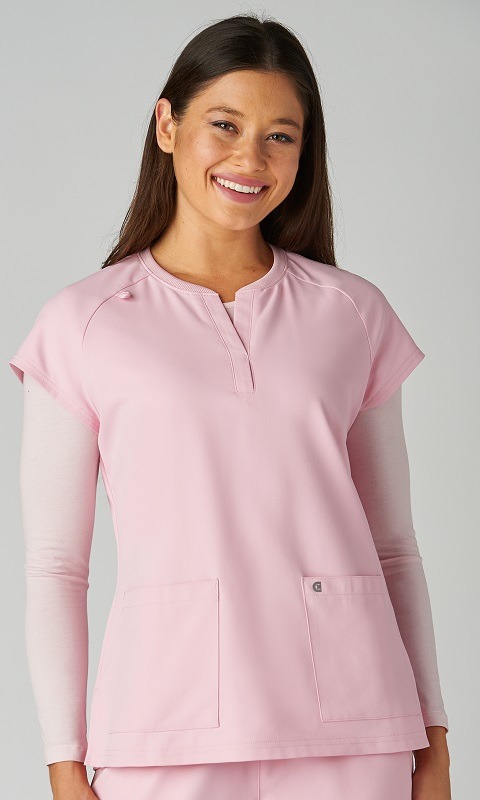
Reese Cureology by koi Women’s Scrub Top
R590.00
We absolutely love the Scrubs Rx ranges. Perfect comfy fit and even more perfect for a rather wet environment at uShaka Sea World. The South African Association for Marine Biological Research (SAAMBR’s) Aquatic Animal Health and Quarantine teams now pretty much live in these scrubs. From saving sea turtles to doing ultrasounds on stingrays and dolphins and even surgeries on snakes and fish, we are comfortable and happy in our amazing scrub sets. Big thank you also for the incredible service, quick delivery and ongoing advice on best fit for our work environment. The Aura Cureology top is the perfect everyday wear top. Exactly the reason why we have multiple sets (of multiple ranges actually).
What should vet assistants wear?
Vet assistants should wear durable, washable scrubs with plenty of stretch, because the role usually involves the most kennel cleaning, lifting and animal restraint. A Cureology by koi top and jogger (from R1,280 a set) is the value choice. A printed koi top adds personality and hides marks. Vet assistants need at least three to four sets to have a clean one every shift.
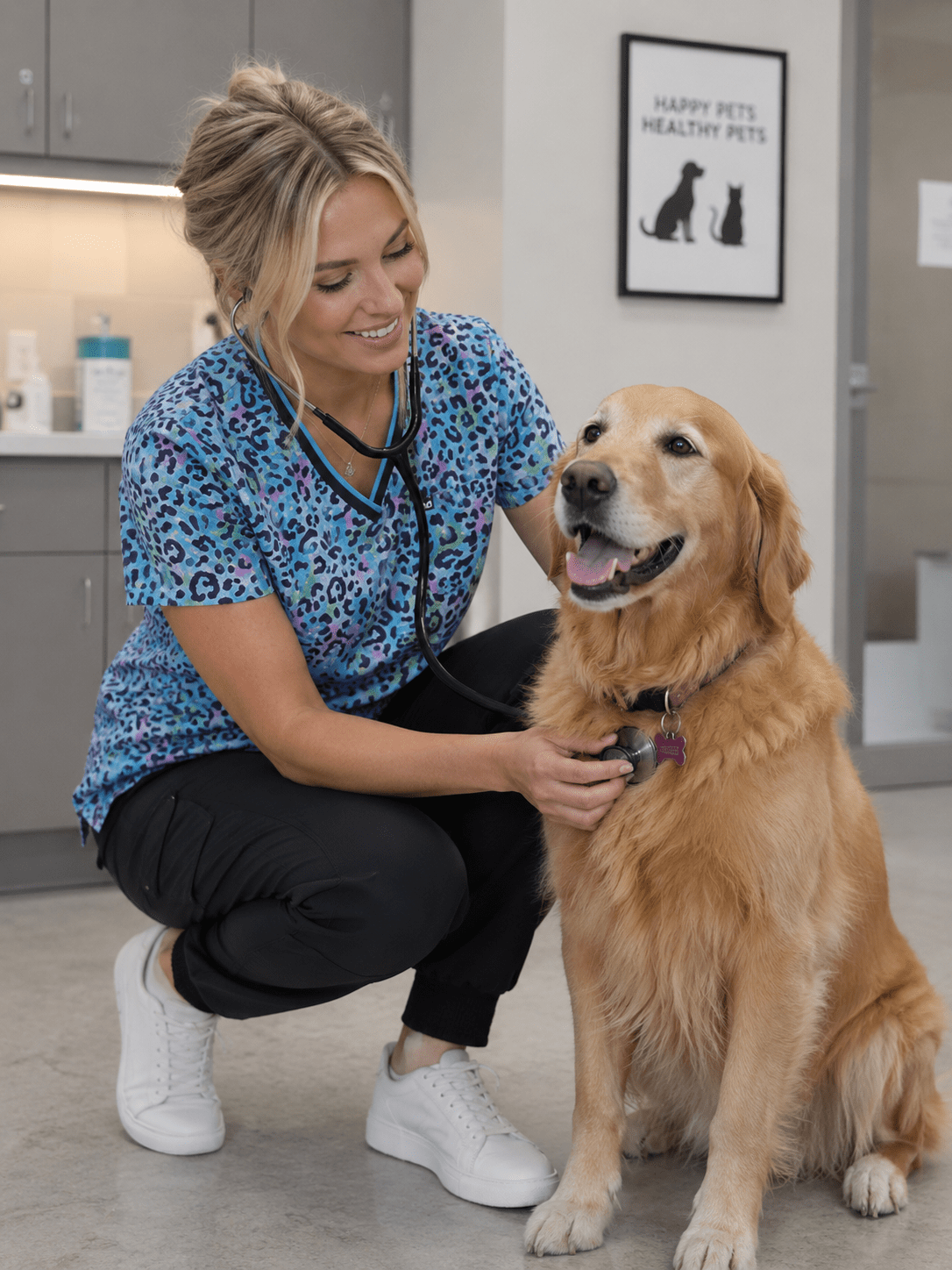
How should a vet practice choose uniforms for the whole team?
A vet practice should choose one collection for the team, assign a colour to each role, and fit everyone before ordering. Mixed brands and ill-fitting scrubs look untidy in front of clients, and embroidered scrubs can’t be exchanged if the size is wrong.
- Pick a collection that suits the busiest role. For most practices that’s Cureology by koi or koi Basics.
- Colour-code by role, for example navy for vets, teal for vet nurses and a print for assistants and reception.
- Add embroidery last, once every size is confirmed. Under the Scrubs Rx exchange policy, embroidered or altered items can’t be exchanged.
- Plan for lead time. Allow 4–6 weeks for delivery of a team order once all details are confirmed.
Frequently asked questions about vet uniforms
Scrubs that can handle the demands of a busy vet practice
Smooth, stretchy koi scrubs from R590, delivered nationwide. Kitting out your practice? Get in touch with us for samples to find your perfect fit.